The OpenAI logo is displayed on a smartphone screen placed on a reflective surface onto which the Daybreak visual is projected, in Creteil, France, on May 12, 2026. Daybreak is an AI-powered cybersecurity service designed to detect, analyze, and remediate software vulnerabilities more quickly. (Photo by Samuel Boivin/NurPhoto via Getty Images)
Open-source maintainers are so overwhelmed by AI-generated security reports that some have stopped accepting them. OpenAI’s Daybreak lead says the fix is higher-quality findings and far more…
In a public filing, Anthropic acknowledged serious risks its models, including Claude, pose to itself, its users and the world. Hacks by bad actors using Claude or AI agents could cause financial, legal or physical damage, spark lawsuits and affect Anthropic’s ability to insure against future losses. (Getty Images)
Federal cyber leaders explain how agencies can combine AI with unified data, faster threat containment and workforce development to modernize security operations.
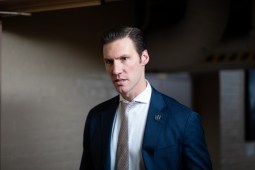
UNITED STATES – DECEMBER 10: Rep. Pat Harrigan, R-N.C., arrives for the House Republican Conference meeting in the U.S. Capitol on Wednesday, December 10, 2025. (Bill Clark/CQ-Roll Call, Inc via Getty Images)
One of the bill’s sponsors told CyberScoop it’s “incredibly expensive” for U.S. AI companies to stay ahead and distillation attacks incentivize stealing over innovation.
WASHINGTON, DC – AUGUST 8: A Department of Homeland Security logo is seen at their headquarters in the Ronald Reagan Building and International Trade Center on August 8, 2026 in Washington, DC. (Photo by Kevin Carter/Getty Images)
While voluntary, the document marks the federal government’s most detailed cybersecurity guidance for securing sandbox environments during AI model tests.
New research from VisionHeight highlights how AI systems can often serve as more useful marks for influence actors than humans. To wit: someone is setting up networks of hyperlocal websites across at least 14 different states, filled with content meant to influence U.S. races. (Image via Getty)
Someone is seeding the internet with hyperlocal content about political races. Researchers say it’s designed to train AI chatbots to favor candidates across a broad range of…
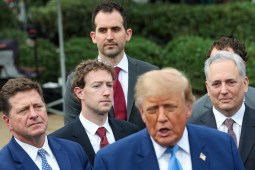
WASHINGTON, DC – SEPTEMBER 29: (L-R) U.S. Director of National Intelligence Jay Clayton, CEO of Meta Platforms Mark Zuckerberg, Co-Founder at Anthropic Tom Brown, U.S. President Donald Trump and David O. Sacks hold a press briefing with AI executives following a meeting on artificial intelligence, outside the West Wing of the White House on September 29, 2026 in Washington, DC. The meeting comes as some have called for a slowdown in AI development amid rising safety concerns. (Photo by Kevin Dietsch/Getty Images)
The letter argues federal agencies should more rigorously test AI models for security threats and sandbox evasion, set new safety standards and lean into defensive AI.
The critical infrastructure defense program will seek to pair Claude models, Anthropic engineers and threat research with the expertise of cybersecurity companies.